Canoeing Gear: What You Actually Need to Get on the Water
By Mark Ellison · Published · 5 min read
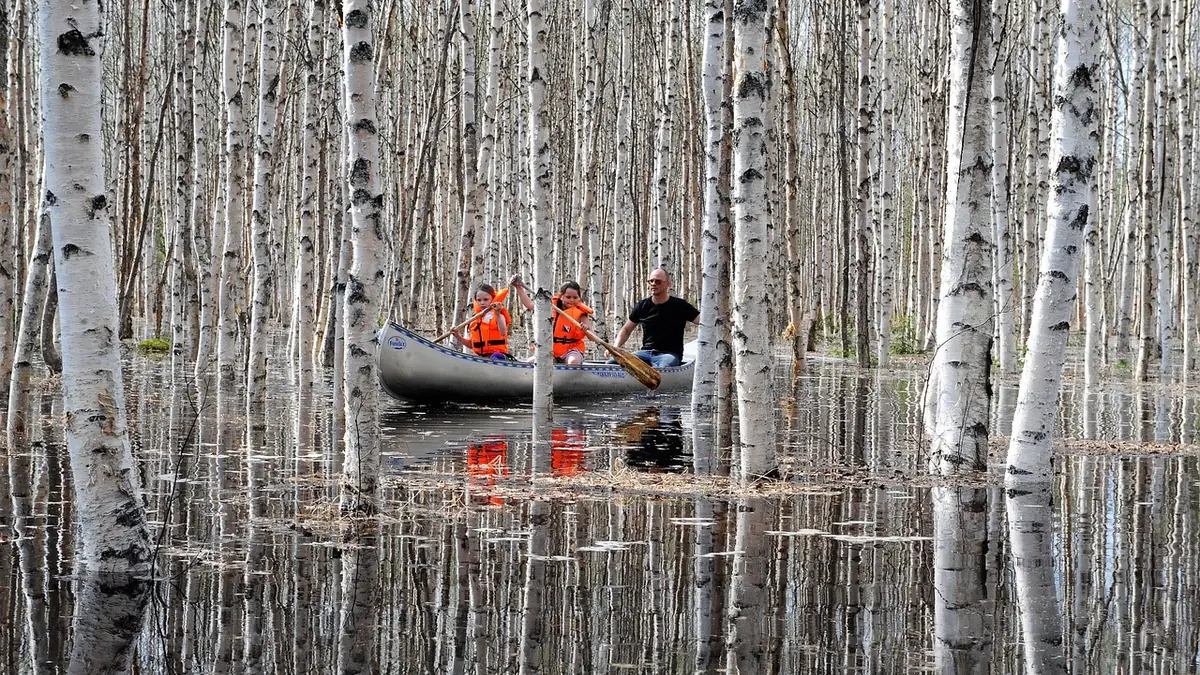
Canoeing looks simple from the shore: a boat, a paddle, a life jacket. Then you start shopping and find a dozen hull materials, paddle blade shapes you can't tell apart, and accessories that range from genuinely useful to pure novelty. This guide cuts through that, covering the four things every canoeist needs, the extras that earn their place, and the rough numbers that help you compare before you buy.
Whether you're outfitting a first boat for flatwater lakes or upgrading a kit you've used for years, the priorities stay the same: a hull that suits your water and load, a paddle that fits your body, a PFD you'll actually wear, and a way to keep your gear dry. Everything else is a refinement.
Choosing the Right Canoe Hull
Canoe length drives almost everything else. Boats around 14 to 15 feet track well and carry a weekend load for two paddlers, while 16 to 17 feet is the sweet spot for tandem touring with gear and stays manageable in wind. Solo canoes generally run 12 to 15 feet. Shorter hulls under 13 feet turn quickly and suit small rivers and tight creeks, but they wander on open water and feel slow across a lake.
Width, usually quoted as beam at the waterline, trades stability for speed. A 34 to 36 inch beam feels reassuringly steady for beginners and families, while 30 to 32 inches is faster and more efficient for experienced paddlers who can control the boat with their strokes. Depth matters too: deeper hulls stay drier in chop but catch more wind.
Material comes down to weight, price, and repair. Royalex-style and modern plastic hulls shrug off rocks and are cheap to own but heavy, often 60 to 80 pounds for a tandem. Fiberglass and composite boats run 40 to 55 pounds and glide better but cost more and need care around gravel. Aluminum is durable, affordable, and loud, and it sticks to rocks rather than sliding over them.
Capacity is rated in pounds and includes paddlers and gear. A typical 16-foot tandem carries 700 to 900 pounds, which sounds generous until you add two adults, a cooler, and a dog. Leave roughly 30 percent of rated capacity in reserve so the hull sits at its designed waterline and handles predictably in wind and waves.
- 14–15 ft: versatile tandem, weekend loads
- 16–17 ft: touring tandem, best glide and tracking
- 30–32 in beam: faster, needs stroke skill
- Plastic: heavy, tough, low maintenance
- Composite: light, fast, more expensive
Paddle Length, Shape, and Materials
Paddle length should match your torso and the boat's width, not your height alone. As a starting range, most tandem canoeists sit comfortably with a paddle between 54 and 60 inches, while solo paddlers kneeling in narrower hulls often use 52 to 58 inches. The classic test: standing the paddle beside you, the grip should land near your shoulder or slightly below when the blade tip rests on the ground.
Blade shape changes how the paddle feels. Wide blades, roughly 8 by 20 inches, deliver strong power for moving water and quick corrections but load your shoulders on long flatwater days. Narrower, longer blades of about 7 by 22 inches suit touring, letting you keep a higher cadence without fatigue. Bent-shaft paddles angle the blades for efficiency and reduce wrist strain, though they cost more and feel odd at first.
Material follows the usual trade-off. Aluminum shafts with plastic blades are inexpensive and nearly indestructible, ideal for rocky shallows and loaner paddles. Wood paddles are warm in the hand and quiet but need oiling. Fiberglass and carbon run lighter, from around 20 to 30 ounces versus 35 to 45 for aluminum, and the weight difference is obvious after a few hours.
| Hull type | Length | Weight | Typical price | Best for |
|---|---|---|---|---|
| Recreational plastic tandem | 14–15 ft | 65–80 lb | $600–$1,000 | Families, calm lakes, ponds |
| Touring plastic tandem | 16–17 ft | 70–85 lb | $900–$1,400 | Multi-day flatwater trips |
| Composite touring tandem | 16–17 ft | 40–55 lb | $1,800–$3,200 | Distance, portaging, speed |
| Solo composite | 13–15 ft | 30–45 lb | $1,500–$2,800 | Solo touring, quiet water |
| Aluminum tandem | 15–17 ft | 60–75 lb | $700–$1,200 | Rocky rivers, rough use |
| Inflatable tandem | 12–14 ft | 35–50 lb | $500–$900 | Travel, limited storage, mild water |
Safety Gear You Should Not Skip
A properly fitted PFD is the single most important purchase after the boat. Look for a paddling-specific model with a short cut that clears the canoe's gunwales and doesn't ride up when you sit. Fit matters more than features: cinch the side straps so the vest stays put when someone pulls up on the shoulders, and check that arm movement is unrestricted. For calm inland water, a Type III vest is the usual choice; open water and cold seasons justify more flotation.
Beyond the vest, carry a throw bag with 50 to 70 feet of floating rope, a spare paddle split or a compact backup, and a whistle attached to your PFD. On cold water, dress for immersion rather than air temperature, since a capsize in 50-degree water drains strength fast. A dry bag with a warm layer, phone, and light lives in every canoe we pack.
Sun and hydration count as safety gear on the water. A wide-brim hat, sunglasses with a retention strap, and two liters of water per person for a half day are baseline. If you paddle alone, tell someone your route and return time, and keep the phone in a waterproof case rather than loose in the hull.
- Paddling-cut PFD, snug at the shoulders
- Throw bag with 50–70 ft floating line
- Spare paddle or split backup
- Whistle on the vest, not in a bag
- Warm layer in a dry bag, always
Dry Storage and Packing Systems
Canoes are wet boats. Water comes in from paddles, shoes, spray, and rain, so assume the bottom inch will be damp by midday. Roll-top dry bags are the workhorse: 10 to 20 liters for a day, 30 to 40 for overnight gear. Clip them to a thwart with a short leash so they don't slide forward in a sudden stop or capsize.
A simple packing order saves frustration. Heavy items sit low and near the center, light bulk forward and aft, and anything you need during the day, like water, sunscreen, and a snack, goes in a small bag within reach behind your seat. Barrel-style dry storage suits multi-day trips where you want crush protection for food and a stove.
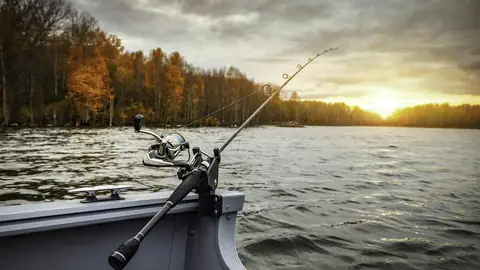
For fishing from a canoe, a small tackle box in a waterproof tray beats a full bag, and rod holders clamp to the gunwale without drilling. If you're weighing boat styles for angling, our comparison of sit-on-top versus sit-in kayaks covers the stability and access trade-offs that apply to canoes too. Line choice matters as much as the boat; this breakdown of monofilament, fluorocarbon, and braid is a useful primer before you spool up.
Transport and Storage Between Trips
Most canoe damage happens off the water. Foam blocks or a proper saddle on roof bars, plus two cam straps over the hull and bow and stern tie-downs, keep the boat secure at highway speed. Straps over the middle only, tightened until the foam compresses slightly, are enough on most racks; over-tightening can dent a plastic hull on a hot day.
At home, store the canoe upside down on padded sawhorses or wall brackets, supported near the ends and the middle. Hanging by the bow and stern eyes for months can deform a hull, especially in summer heat. Keep it out of direct sun if possible, since UV exposure degrades plastic and fades gelcoat over years.
Paddles and PFDs need less care but still benefit from a routine. Rinse everything with fresh water after salt or silt exposure, dry PFDs hanging open rather than crumpled in a bin, and store paddles horizontally so blades don't warp. A seasonal maintenance plan keeps all of it working; our fishing and paddling gear maintenance schedule lays out what to check and when.
- Match hull length and beam to your water and load before worrying about brand or color.
- Fit the PFD to your body and the paddle to your torso and boat width; those two purchases affect comfort more than anything else.
- Leave about 30 percent of rated capacity free so the canoe sits at its designed waterline.
- Store the hull upside down and out of sun, and rinse paddles, PFDs, and dry bags after every trip.
Mark has spent years fishing and paddling across rivers and lakes, testing gear in real conditions. He focuses on practical buying advice for beginners and occasional anglers. His goal is to help readers avoid overspending and choose equipment that fits their actual use.