Sit-On-Top vs Sit-In Kayaks: Which Is Better for Fishing?
By Mark Ellison · Published · 4 min read
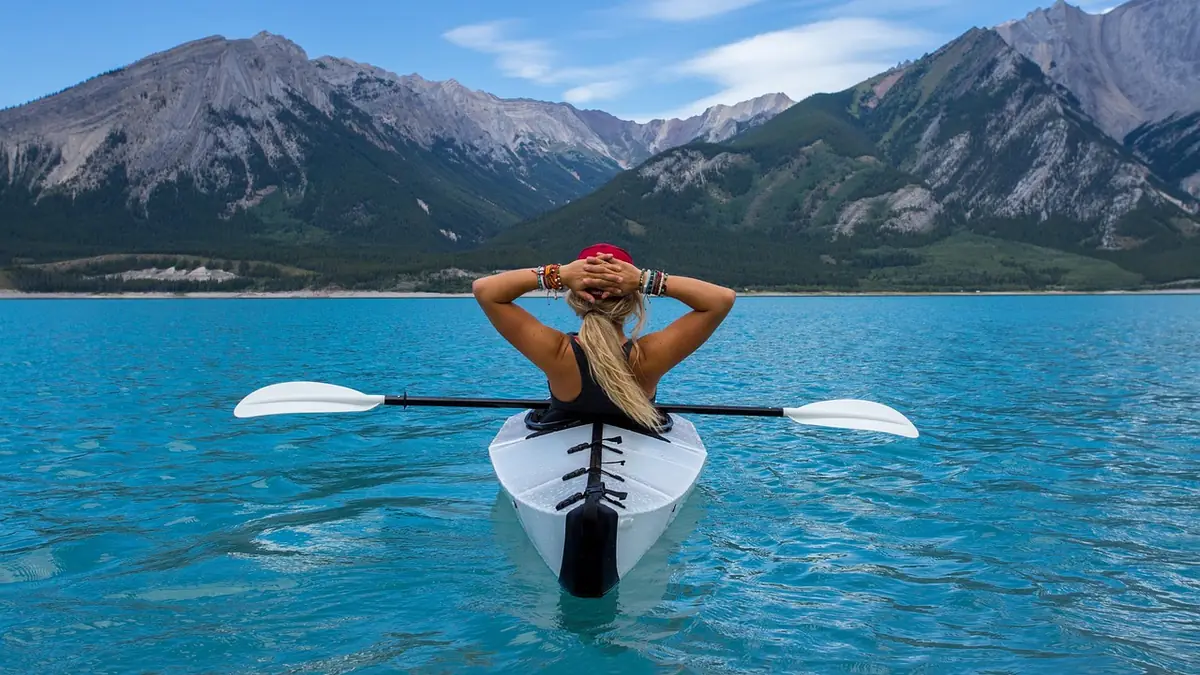
Most fishing kayak arguments come down to one question: open deck or cockpit? Sit-on-top kayaks put you on a molded shell with scupper holes, while sit-in kayaks wrap you in a hull with a coaming and a spray skirt option. Both catch fish. The difference shows up in how you launch, how much gear you carry, and how wet you get.
This guide breaks the choice into the factors that actually matter on the water: stability, storage, comfort over a long day, and safety in cold or rough conditions. Use it to match a hull to your lakes, rivers, and budget rather than to a trend.
Stability: Primary vs Secondary
Sit-on-tops typically run 30 to 34 inches wide on fishing models, and that beam gives you a stable platform to stand and cast from on calm water. Sit-in kayaks often measure 24 to 28 inches, which feels tippier at first but edges predictably once you learn it. Wider is not automatically better: a 34-inch hull paddles slower and catches wind, so a long day on open water costs more effort.
Secondary stability is what saves you. A sit-in with a rounded or shallow-V hull leans over and firms up at around 15 to 20 degrees of heel, which is why experienced paddlers trust them in chop. Sit-on-tops tend to have flat or pontoon-style bottoms that resist the first lean but let go suddenly past a certain angle. If you stand to fish, sit-on-top wins. If you paddle miles and read water, a well-shaped sit-in can feel more planted in waves.
- Sit-on-top fishing widths: commonly 30-34 in
- Sit-in touring and fishing widths: commonly 24-28 in
- Standing stability favors sit-on-top
- Confidence in chop favors a well-shaped sit-in
Storage and Deck Layout
Sit-on-tops win on accessible storage. The open deck takes tank wells, crate systems, rod holders, and hatch covers without fighting a cockpit. You can reach behind you, grab a lure box, and keep fishing. Most fishing models handle 350 to 450 pounds of capacity, enough for a cooler, a crate, and a full tackle bag.
Sit-ins keep gear dry inside the hull but harder to reach. A front hatch and a small day hatch hold plenty, yet you usually have to land or twist awkwardly to open them. Capacity on recreational sit-ins runs roughly 250 to 350 pounds. Rod storage is the bigger gap: sit-on-tops mount rod holders almost anywhere, while sit-ins often need clamp-on holders or a rod pod across the coaming.
- Open deck: fastest access to tackle
- Hatches: drier storage but slower access
- Sit-on-top capacity: about 350-450 lb
- Sit-in capacity: about 250-350 lb
Comfort, Wetness, and Weather
Sit-on-tops are wet rides. Water comes through the scupper holes and splashes over the rails, which is welcome in July and punishing in November. Many anglers plug the scuppers or wear waders and a dry top. Sitting higher also means a more upright posture, which is easier on the lower back for cast-and-retrieve fishing and simpler to stand up from.
Sit-ins keep your legs and seat drier, block wind, and accept a spray skirt when conditions turn. The trade-off is a lower, more confined position; long sessions can stiffen hips unless you add a seat with decent lumbar support. In cold-water months the sit-in is the warmer boat by a wide margin. In heat, the sit-on-top is the cooler one.
- Sit-on-top: wetter, cooler, easier to stand
- Sit-in: drier, warmer, more enclosed
- Spray skirt adds real weather protection to sit-ins
- Upgrade the seat on either style before long days
| Factor | Sit-on-top | Sit-in |
|---|---|---|
| Typical width | 30-34 in | 24-28 in |
| Weight | 60-85 lb | 40-60 lb |
| Capacity | 350-450 lb | 250-350 lb |
| Cruising speed | About 2.5-3 mph | About 3-4 mph |
| Re-entry after capsize | Easy, climb back on | Needs pump or roll |
| Gear access | Excellent, open deck | Limited, hatch-based |
| Weather protection | Wet and exposed | Dry and shielded |
| Typical price | $500-1,800 | $400-2,000 |
Safety and Self-Rescue
If you flip a sit-on-top, you climb back on. Most paddlers manage a self-rescue in deep water within a few attempts, and the boat stays swamped but floating thanks to sealed hulls. That makes sit-on-tops forgiving for beginners and for anyone fishing alone. Leash your paddle and rods, because open decks shed gear when you go over.
A swamped sit-in is harder. You need a pump or a roll, and re-entry means draining the cockpit while keeping the boat stable. That is learnable, but it takes practice. Sit-ins do offer better protection from wind, spray, and cold, which lowers the risk of a capsize in the first place. Cold-water anglers should dress for immersion either way, and a sit-in without a skirt in open water is a wet ride waiting to happen.
- Sit-on-top: easiest deep-water re-entry
- Sit-in: needs a pump or roll to recover
- Dress for water temperature, not air temperature
- Leash paddle and rods on open decks
Paddling Effort and Range
Narrower sit-ins are faster for the same effort. A 14-foot sit-in at 26 inches wide cruises comfortably at 3 to 4 mph, while a 12-foot sit-on-top at 32 inches often sits nearer 2.5 to 3 mph. Over a four-hour trip, that gap turns into a mile or more of range. If your fishing involves long crossings or big water, the hull shape matters more than the deck style.
Sit-on-tops have closed the gap with longer, narrower fishing hulls, pedal drives, and sharper bows. Many anglers now cover distance with fins or a prop rather than a paddle. Sit-ins remain the better pure paddling boats, and they handle wind better because you sit lower. Match the boat to the water: small lakes and rivers favor maneuverability, while open water favors glide.
- Sit-in cruise: roughly 3-4 mph
- Sit-on-top cruise: roughly 2.5-3 mph
- Longer, narrower hulls paddle easier in either style
- Pedal drives offset the sit-on-top speed penalty
Cost, Transport, and Ownership
Entry-level sit-on-tops start around $500 to $900, with fishing-ready models at $1,000 to $1,800 and premium pedal boats well above that. Recreational sit-ins run $400 to $800, while touring and fishing sit-ins sit in the $900 to $2,000 range. Weight is the practical divider: sit-on-tops often weigh 60 to 85 pounds, sit-ins 40 to 60 pounds. If you car-top alone, that difference decides your routine.
Think about your season too. A sit-in extends your comfortable fishing into colder months, while a sit-on-top shines in summer and for quick solo trips. Whichever you choose, a little care keeps it fishable for years, and our seasonal maintenance schedule covers the basics. If you are still weighing hull types, read canoe vs kayak for beginners before you commit.
- Sit-on-top: about $500-1,800 typical
- Sit-in: about $400-2,000 typical
- Sit-on-top weight: 60-85 lb
- Sit-in weight: 40-60 lb
- Sit-on-tops win for standing, gear access, and easy self-rescue.
- Sit-ins win for paddling efficiency, dryness, and cold-weather comfort.
- Match the hull to your water: small and sheltered favors sit-on-top, big and open favors sit-in.
- Weight and price ranges overlap more than most buyers expect, so test-paddle before deciding.
Mark has spent years fishing and paddling across rivers and lakes, testing gear in real conditions. He focuses on practical buying advice for beginners and occasional anglers. His goal is to help readers avoid overspending and choose equipment that fits their actual use.