How to Choose Your First Fishing Rod: Length, Power, Action
By Mark Ellison · Published · 4 min read
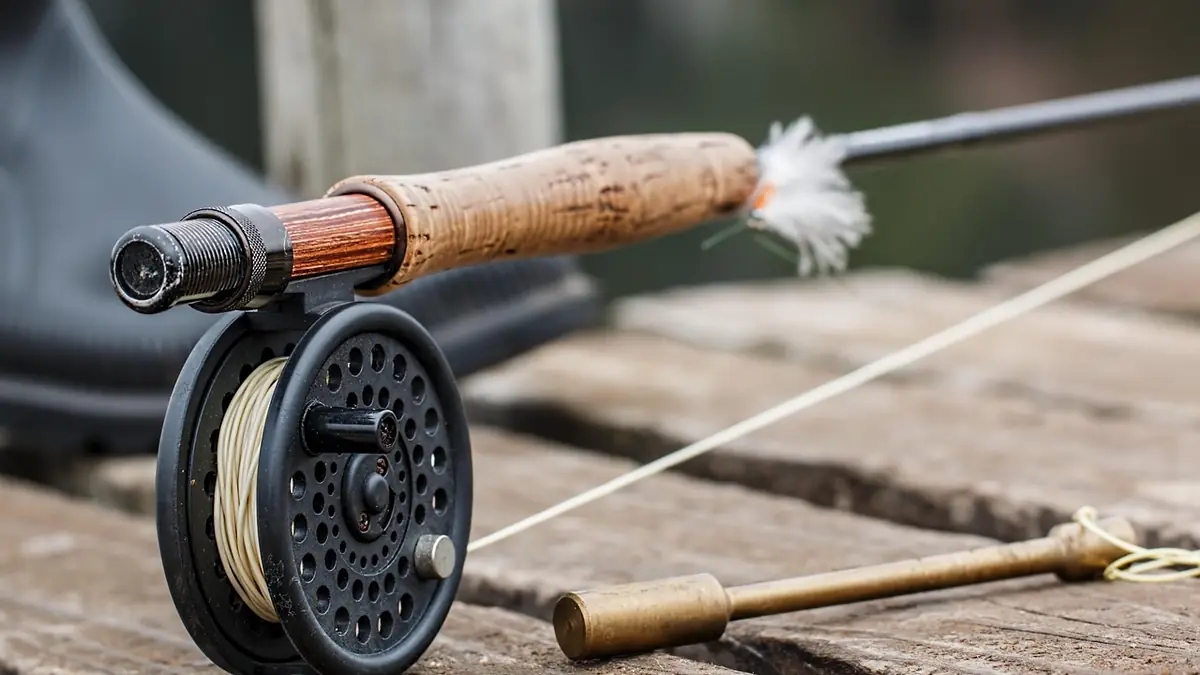
Walk into any tackle shop or scroll a retailer's rod wall and you'll meet the same wall of numbers: 6'6", medium-heavy, fast. None of it is complicated once you know what each spec controls, but most beginners buy on price or looks and end up with a rod that fights them all season.
This guide translates rod length, power, and action into plain terms, gives typical ranges you'll actually see on shelves, and shows how to pick one rod that covers most freshwater fishing without overspending.
Length: How Far You Cast and How Much Leverage You Get
Rod length is the easiest spec to understand because it mostly governs casting distance and leverage. Longer rods cast farther, pick up line faster on a hookset, and keep more line off the water when you're working a lure. Shorter rods are more accurate at close range and easier to manage in tight cover or from a kayak.
For most freshwater fishing, 6'6" to 7'0" is the sweet spot. A 7-footer gives you a noticeable distance edge on open water and banks. A 6'6" rod feels quicker and more accurate for short pitches around docks and brush. Below 6 feet, rods get specialty: ice fishing, ultralight panfishing, and kids' setups.
Handle length matters too, even though it's rarely advertised. A rear grip in the 9 to 11 inch range balances well with most spinning reels in the 2500 to 3000 size class. If the rod feels tip-heavy in the shop, it will feel worse after three hours on the water.
- 5'6"–6'0": tight cover, kayaks, kids, panfish
- 6'6"–7'0": the versatile all-round range for most anglers
- 7'0"–7'6": distance casting, bank fishing, big water
- Match rear grip length to your reel size for balance
Power: The Rod's Backbone and Lifting Strength
Power describes how much force it takes to bend the rod, and it's the spec that decides what fish and lures the rod can handle. It runs from ultralight through heavy, and it's about backbone, not sensitivity. A medium-power rod bends under moderate load; a heavy rod barely flexes until you lean on it.
Most beginners are best served by medium or medium-heavy. Medium handles lures roughly 1/8 to 1/2 ounce, which covers small crankbaits, soft plastics on light jigheads, inline spinners, and topwater. Medium-heavy pushes into the 3/8 to 1 ounce range and gives you the muscle to pull fish out of weeds and around docks.
Go lighter only if you know you're chasing panfish or trout with small lures. Go heavier for big swimbaits, flipping heavy cover, or muskie-class fish, where a rod that bends too easily can't move a big fish or drive a hook home. If you're also weighing reel types for that first setup, our comparison of baitcasting and spinning reels is worth reading before you commit.
- Ultralight/light: panfish, trout, lures under 1/4 oz
- Medium: the best default for bass and general freshwater
- Medium-heavy: weeds, docks, lures to about 1 oz
- Heavy: big baits, heavy cover, large fish
| Power | Typical lure weight | Typical line rating | Best for | Beginner-friendly? |
|---|---|---|---|---|
| Ultralight | 1/32–3/16 oz | 2–6 lb | Panfish, trout, tiny lures | Only if targeting small fish |
| Light | 1/16–1/4 oz | 4–8 lb | Panfish, small bass, trout | Good second rod |
| Medium | 1/8–1/2 oz | 6–12 lb | Bass, walleye, general freshwater | Yes — best default |
| Medium-heavy | 3/8–1 oz | 10–17 lb | Weeds, docks, jigs, pike | Yes, if cover is heavy |
| Heavy | 1/2–2 oz+ | 15–25 lb+ | Big baits, heavy cover, muskie | No — specialty use |
Action: Where the Rod Bends, and Why It Matters
Action (sometimes called taper) describes where along the blank the rod flexes. A fast-action rod bends mostly in the top third; a moderate-action rod bends through the middle; slow-action rods flex deep into the handle. This is separate from power: you can have a fast medium rod or a moderate medium rod, and they behave very differently.
Fast actions give crisp hooksets and transmit lure feel well, which is why they dominate for soft plastics, jigs, and single-hook presentations. Moderate actions load more gradually, cast treble-hook lures like crankbaits more smoothly, and keep a hooked fish from tearing off. Slow actions are mostly a niche for small lures and light line.
For a first rod, a fast or fast-ish action in medium power is the most flexible choice. It handles soft plastics well and is still serviceable for moving baits. If you plan to throw a lot of crankbaits, a moderate action is friendlier, but it's a second-rod purchase, not a first.
- Fast: top-third bend, crisp hooksets, jigs and plastics
- Moderate: mid-blank bend, forgiving on treble-hook lures
- Slow: deep bend, light lures and line, specialty use
- Action and power are independent specs — read both
Line Rating and Lure Weight: The Numbers That Keep You Honest
Every rod carries a line rating and a lure weight rating printed above the handle. These are the manufacturer's working ranges, and ignoring them is how rods break. A rod rated for 6 to 12 pound line and 1/8 to 1/2 ounce lures will cast poorly with a 3/4 ounce lure and can snap under a heavy hookset with 20 pound braid.
Use the lure rating as your shopping filter. If most of your lures fall inside the printed range, the rod will load and cast well. If you're consistently at the top of the range, step up in power. If you're at the bottom, step down. Line rating is a guide to drag pressure, not a hard limit, but staying inside it keeps the blank from being overstressed.
A quick sanity check: a rod rated 1/8 to 1/2 ounce paired with 8 to 10 pound line and a 2500-size spinning reel is one of the most versatile freshwater combos you can assemble. It covers finesse plastics, small crankbaits, spinners, and topwater without feeling like a compromise.
- Stay inside the printed lure weight range
- Match line to the rating; braid within reason
- A 2500-size reel balances most 6'6"–7'0" medium rods
- Weigh your common lures before you buy
One Rod or Two? Building a Sensible Starter Quiver
A single medium-power, fast-action 6'6" to 7'0" spinning rod will catch bass, panfish, walleye, and the occasional pike. That's the right first purchase. Spend your budget on the rod rather than the reel if you have to choose; a decent rod with a budget reel outperforms the reverse, and the rod is what you feel the lure through.
Your second rod should complement the first, not duplicate it. A medium-heavy casting rod for jigs and heavier cover, or a light spinning rod for panfish and trout, adds real range. If lure selection is your next question, our starter kit of ten bass lures maps lures to the rod specs that throw them well.
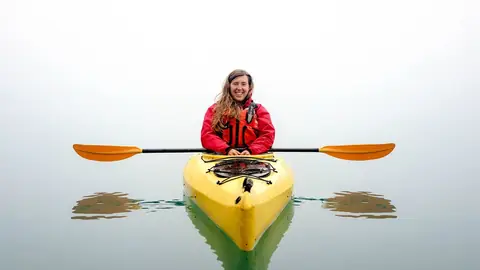
If you fish from a kayak, shorter rods in the 6'0" to 6'6" range are easier to cast from a seated position and less likely to catch on gear behind you. Pair that with the right boat and you'll spend less time untangling and more time fishing — see sit-on-top vs sit-in kayaks if you're still deciding on a platform.
- First rod: medium power, fast action, 6'6"–7'0" spinning
- Second rod: complement, not a duplicate
- Kayak anglers: lean shorter, 6'0"–6'6"
- Budget priority: rod first, then reel
- A 6'6"–7'0" medium-power, fast-action spinning rod is the most versatile first purchase.
- Power controls what the rod can handle; action controls where it bends. Read both.
- Stay inside the printed lure weight and line ratings — that's how rods survive.
- Spend more on the rod than the reel if your budget forces a choice.
Mark has spent years fishing and paddling across rivers and lakes, testing gear in real conditions. He focuses on practical buying advice for beginners and occasional anglers. His goal is to help readers avoid overspending and choose equipment that fits their actual use.