Beginner Kayak Setup Cost: A Realistic Budget Breakdown
By Mark Ellison · Published · 5 min read
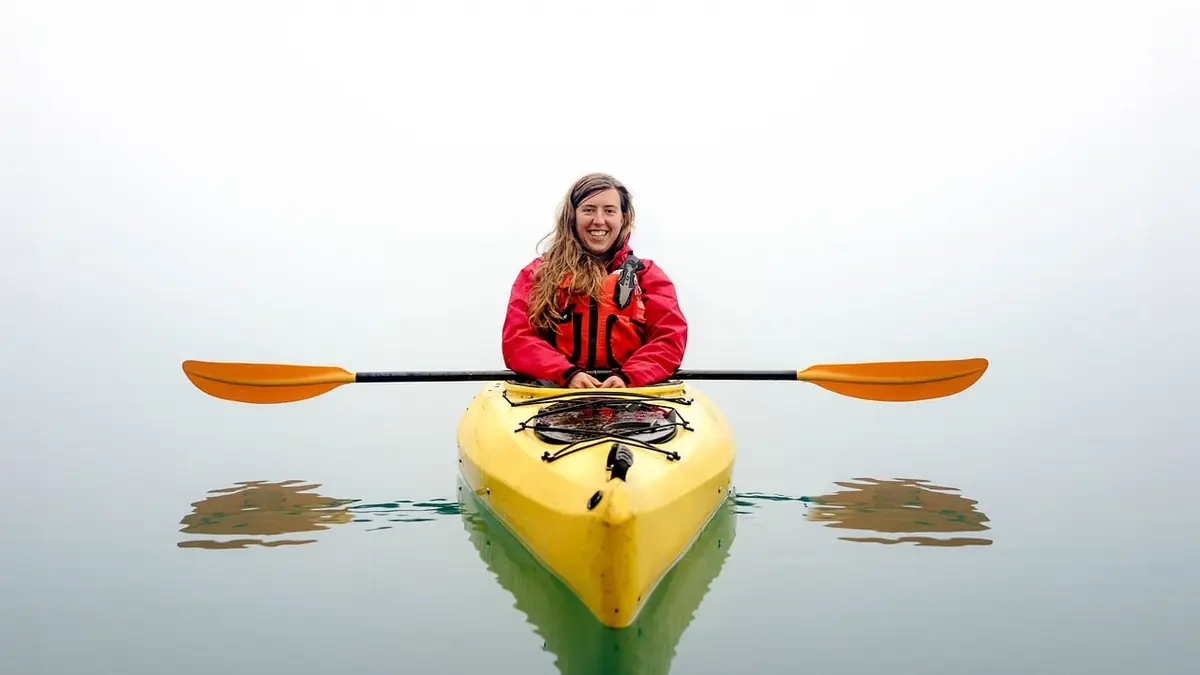
The sticker price on the kayak is rarely what you end up spending. A first setup means a boat, a paddle, a life jacket, a way to get it to the water, and a handful of small items that add up faster than most people expect. Knowing the realistic ranges before you shop keeps you from blowing the budget on the hull and then paddling with a bargain-bin paddle and no pump.
Below is a practical breakdown of what each piece costs at three rough tiers, where people commonly overspend, and where spending a little more actually pays off. Figures are typical retail ranges for new gear; used boats and end-of-season sales can cut the total substantially, but don't count on finding exactly what you want at the right moment.
The Kayak Itself: The Biggest Line Item
Recreational sit-in and sit-on-top kayaks for calm water typically run $400 to $700 new for a basic 10-foot model, $700 to $1,200 for better hulls with drier rides and more storage, and $1,200 to $2,000 once you move into fishing-specific designs with rod holders, wider stable platforms and higher weight capacity. Inflatable and folding kayaks sit in the $300 to $900 range and trade paddling performance for easy storage.
Length and width drive both price and behaviour. A 10-foot boat around 28 to 30 inches wide is a common first kayak: light enough to car-top alone, stable enough for a beginner, and slow enough that you'll notice the effort on a windy lake. Boats 12 feet and longer track better and are worth the extra money if you plan to cover distance or fish open water.
Buying used is the single biggest lever on total cost. A clean used recreational kayak often sells for 50 to 70 percent of new, and hulls hold up well if they haven't been stored in sun for years. Check for oil-canning on the bottom, cracks around the skid plate, and whether hatches still seal.
- Entry recreational kayak: $400–$700
- Mid-range or fishing-ready: $700–$1,200
- Premium fishing hull: $1,200–$2,000
- Used market: roughly 50–70% of new
Paddle, PFD and the Safety Basics
A paddle is where beginners most often underspend. The $40 aluminum-shaft paddle included with some packages is heavy and flexes, and a full day of paddling with one is tiring. A fiberglass or carbon-blend paddle in the $120 to $250 range weighs noticeably less and makes a real difference over a few hours. Length depends on boat width and your height; a 220–230 cm paddle suits most recreational kayaks.
A proper paddling-specific PFD costs $60 to $150. It must fit snugly and be comfortable enough that you actually wear it, which rules out most general-purpose boating vests. Add a bilge pump or sponge ($15–$40), a throw line if you'll be on moving water, a whistle, and a waterproof light if you paddle near dusk. A dry bag ($20–$50) protects phone and keys.
For cold water, add a wetsuit or dry top; for sun, a hat and long sleeves beat sunscreen on the water. None of these are glamorous purchases, but they are the difference between a good day and a bad one.
- Recreational paddle: $50–$100
- Fiberglass/carbon blend paddle: $120–$250
- Paddling PFD: $60–$150
- Pump, sponge, dry bag, whistle: $40–$100
Transport and Storage Costs
Getting the boat to water is an expense people forget until the first trip. Foam-block roof carriers cost $30 to $60 and work fine for short drives on a car with a bare roof. A proper J-cradle or saddle rack runs $100 to $250, and if your vehicle has no roof rails you may need aftermarket crossbars at $150 to $400. A small utility trailer, for those who go often, starts around $600.
Storage matters too. A wall-mounted or ceiling hoist for a garage runs $30 to $100 and keeps the hull off the ground and out of the way. If you have nowhere to store a hard boat, that's the argument for an inflatable or a folding kayak — and it's worth being honest with yourself about this before you buy.
For anyone fishing from the boat, propulsion is the next add-on. A basic paddle is fine to start, but a small trolling motor setup adds $200 to $600 including battery and mount and changes how much water you can cover.
Where the Money Actually Goes
The table below shows typical new-gear ranges for the three tiers. The totals are what most beginners actually spend once they've bought everything needed for a safe first season, not just the boat.
Notice how quickly accessories catch up to the hull price at the budget end. A $500 kayak paired with a $50 paddle, a $60 PFD, foam blocks and a pump lands near $700 — a 40 percent premium over the sticker. At the mid-range, the accessories become a smaller share of the total, which is one reason upgrading the paddle and PFD first is usually smarter than upgrading the boat.
- Budget total: roughly $550–$900
- Mid-range total: roughly $1,050–$1,700
- Quality total: roughly $1,900–$3,000
Ways to Cut the Total Without Regret
Buy the boat used and the paddle new. Hulls depreciate; paddles and PFDs are personal-fit items that are hard to evaluate secondhand and carry safety implications. End-of-season sales in late summer and early fall routinely knock 15 to 30 percent off new boats and paddles.
Skip package deals that bundle a heavy paddle and a bulky PFD you'll want to replace within a season. Buy those two items separately, even at the budget tier. Rent once or twice before committing — a half-day rental at $30 to $60 is cheap research, and it tells you whether a sit-in or sit-on-top suits you.
If you are choosing between hull types, the sit-on-top versus sit-in comparison is worth reading before you spend, because the wrong choice is an expensive mistake to correct. And if fishing is the goal, budget for the boat first and add tackle gradually — a small, well-chosen lure kit costs far less than most people assume.
- Buy used hull, new paddle and PFD
- Shop late-season clearance
- Avoid bundled paddle/PFD packages
- Rent before buying
What to Buy First if the Budget Is Tight
If the total is more than you can spend at once, sequence it. Buy the PFD and paddle before anything else if you already have access to a loaner or rental boat — those two items are the ones that must fit you properly and can't be improvised. Then the boat, then transport, then the small gear.
Don't skip the safety items to save $50. A pump and a whistle are inexpensive and genuinely useful. If you'll be fishing from the kayak and want to add rod storage later, the sequence matters less than getting on the water with a setup that fits and floats safely.
Finally, if the boat will sit in a garage through winter, plan for that now. Proper off-season storage and a covered, shaded spot for the hull keep resale value and extend the life of the plastic.
- Expect to spend roughly 40 to 60 percent above the kayak's sticker price on paddle, PFD, transport and safety gear.
- A budget setup lands near $550–$900; a mid-range one near $1,050–$1,700.
- Spend on the paddle and PFD before the hull — they affect comfort and safety every trip.
- Buy the boat used, the paddle new, and rent once before committing.
Mark has spent years fishing and paddling across rivers and lakes, testing gear in real conditions. He focuses on practical buying advice for beginners and occasional anglers. His goal is to help readers avoid overspending and choose equipment that fits their actual use.