Canoeing Gear Guide: What to Buy and How to Choose
By Mark Ellison · Published · 6 min read

Canoeing rewards a simple kit, but the choices inside that kit still matter. A hull shape that suits flat water will feel wrong on a river with current; a paddle that fits your torso saves your shoulders over a long day. This guide walks through the gear that actually gets used on a canoe trip and explains how to pick each piece without overspending.
Expect honest ranges rather than marketing claims. We cover what a recreational canoe weighs, how to size a paddle to your body, which flotation requirements to look for on a life jacket, and where a dry bag is worth the money over a plain stuff sack. Prices reflect typical retail in North America and will vary by season and region.
Choosing the Right Canoe Hull
Recreational canoes generally run 14 to 17 feet long and 34 to 38 inches wide, weighing roughly 45 to 85 pounds depending on material. Polyethylene hulls are the cheapest and most durable, often $600 to $1,200 new, but they are heavy and slower to paddle. Royalex-style and composite hulls cost $1,500 to $3,000 and save 15 to 25 pounds, which matters at the end of a portage.
Length trades tracking against maneuverability. A 16 to 17 foot boat holds a straight line on lakes and carries two adults plus gear comfortably; a 14 to 15 foot hull turns more easily on narrow rivers and is easier for one person to handle. Width affects stability: a 36 inch beam feels reassuring for beginners, while a narrower 33 to 34 inch hull paddles faster but demands better balance.
Look at the rocker, the upward curve of the hull at bow and stern. More rocker means quicker turns and a drier ride in chop; less rocker means better straight-line speed and less correction. Seats should sit low enough to keep your center of gravity down, and thwarts and yoke should be solid, since a loose thwart is a common source of flex and noise.
- 14–15 ft: rivers, solo or light tandem, easier to car-top
- 16–17 ft: lakes and long trips, best tracking with two paddlers
- Polyethylene: cheap, tough, heavy (45–75 lb)
- Composite: light, stiff, costly ($1,500+), needs care on rocks
Paddles: Length, Material and Grip
Paddle length depends on your height and the boat. A rough rule for canoe paddles is to measure from the ground to your chin or eye level; most adults land between 54 and 60 inches. Sit higher and paddle a wider boat, and you can add an inch or two. Too short and you chop at the water; too long and the stroke gets clumsy in tight quarters.
Shaft material affects weight and price. Aluminum shafts with plastic blades are the budget option at $30 to $60 and are fine for casual use, though they flex and feel cold. Wood paddles ($80 to $200) are warm, quiet and buoyant, and many paddlers prefer the feel. Fiberglass and carbon shafts run $120 to $350, weigh less and transfer power efficiently on long days.
Blade shape is the other decision. A wider blade gives more bite for powerful strokes in moving water; a narrower blade is gentler on the shoulders for all-day flatwater touring. Bent-shaft paddles can suit long lake days, but a straight shaft is more versatile for maneuvering and bracing. Buy two paddles if you paddle tandem, plus a spare.
- Measure ground to chin for a starting length
- Aluminum/plastic: $30–$60, heavy but serviceable
- Wood: $80–$200, warm feel, good for beginners
- Carbon/fiberglass: $120–$350, light and efficient
Life Jackets and Safety Gear
A life jacket, or PFD, is the one item not to cheap out on. In the US, look for a Coast Guard approved label; in Canada, a Transport Canada approved mark. Fit matters more than features: the jacket should stay put when you pull up on the shoulders, and it should not ride up around your ears. Try it on with the layers you will actually paddle in.
Recreational PFDs run $50 to $150. A paddling-specific cut leaves your arms free for the stroke, which is worth the extra $20 to $40 over a general boating vest. Check the foam condition each season and replace a jacket that has gone stiff or lost flotation. Add a throw bag with 50 to 70 feet of line for moving water, a whistle, and a spare paddle on any trip longer than a few hours.
Cold water changes the calculation. Below about 60°F (15°C), dress for immersion rather than the air temperature, since a capsize can put you in the water quickly. A dry top or wetsuit is not optional on cold shoulder-season trips. Keep a first aid kit and a repair kit with duct tape and a spare drain plug in a waterproof container.
- Fit check: lift the shoulders, the vest should not rise
- Paddling-specific cut frees arm movement
- Throw bag: 50–70 ft line for rivers
- Below 60°F water: dress for immersion
Dry Storage and Packing
Canoes take on water, spray and rain, so everything that must stay dry goes in a sealed bag. Roll-top dry bags in 10 to 30 liter sizes cost $20 to $60 and are the standard answer. A clear window helps you find gear without unpacking. For electronics and documents, a hard case or a small dry box adds protection against crushing as well as water.
Packing strategy matters as much as the bags. Keep weight low and centered, with the heaviest items just behind the center thwart. Tie the load down so it does not shift if the boat tilts; a loose cooler sliding to one side has capsized more canoes than rough water. Use two lines across the gear or a simple web of cord.
For multi-day trips, a 60 to 115 liter portage pack or canoe pack carries the bulk and sits well between the thwarts. Trash bags inside a pack are not a substitute for a dry bag on a river trip. Label bags by contents with a marker, and keep a small day bag with water, snacks and a map accessible without unpacking the whole load.
- Roll-top dry bags: 10–30 L, $20–$60
- Heaviest gear low and near center
- Lash the load so it cannot shift
- Keep a day bag accessible in the cockpit area
Transport and Storage
Car-topping a canoe is where many paddlers first struggle. Foam blocks and two cam straps handle most boats for $40 to $80. A proper roof rack with crossbars costs $200 to $500 installed, and saddles or a loader help one person manage a heavy hull. Always use bow and stern tie-downs on the highway, not just the middle straps.
Two people can lift a 60 pound canoe onto a car roof without drama; a solo paddler with a heavier boat should consider a loader bar or a lighter hull. Straps should be snug but not crushing, and the canoe should sit level. Check the straps after the first few miles, since they stretch and settle.
Store the canoe off the ground, upside down on padded sawhorses or a rack, out of direct sun. UV degrades polyethylene and varnished wood over years. Support it at two points along the hull, not just at the ends, to avoid a permanent dent. If you also paddle other craft, a shared rack system keeps the garage organized, and the same seasonal maintenance habits apply across gear.
- Foam blocks + straps: $40–$80
- Full roof rack: $200–$500
- Always add bow and stern lines
- Store upside down, padded, out of sun
| Item | Typical weight | Price range (USD) | What to check |
|---|---|---|---|
| Recreational canoe, 16 ft polyethylene | 65–80 lb | $600–$1,200 | Hull condition, thwarts, seat height |
| Composite canoe, 16 ft | 40–55 lb | $1,500–$3,000 | Gel coat cracks, skid plates |
| Aluminum/plastic paddle | 1.5–2 lb | $30–$60 | Shaft flex, blade edges |
| Wood paddle | 1.2–1.8 lb | $80–$200 | Grip fit, varnish condition |
| Carbon/fiberglass paddle | 0.9–1.4 lb | $120–$350 | Blade size vs. your strength |
| Paddling PFD | 1.5–2.5 lb | $50–$150 | Approval label, fit with layers |
| Roll-top dry bag, 20 L | 0.5–1 lb | $20–$60 | Seam condition, roll-top closure |
| Roof rack with crossbars | 15–25 lb | $200–$500 | Vehicle fit, load rating |
Where to Spend and Where to Save
Spend first on the PFD and paddle, because those touch your body every minute on the water and directly affect comfort and safety. A $120 paddle and a $90 life jacket are better investments than a $200 paddle with a $40 vest. The hull can be a used polyethylene boat in good condition and still deliver years of lake trips.
Save on accessories early. A sponge, a bailer and a length of cord cost almost nothing and cover most emergencies. Fancy mounts and gadgets can wait until you know how you actually use the boat. If you are building a kit from scratch, it helps to see the full cost picture before buying, and a realistic budget breakdown keeps the list honest.
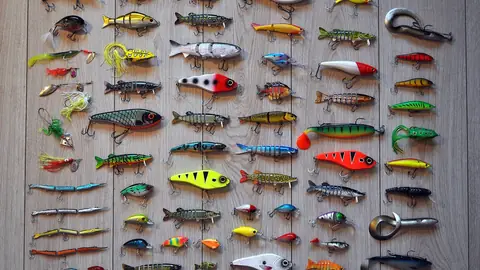
For anglers, the canoe doubles as a fishing platform, which changes the gear list. Rod holders, a small tackle bag and a landing net add weight and clutter, so mount them where they do not interfere with the stroke. Keeping reels clean and lines fresh matters as much as the boat itself, and a seasonal maintenance plan pays off across all your paddling and fishing equipment.
- Priority spend: PFD, then paddle, then hull
- Used polyethylene hulls are a solid value
- Budget $20–$40 for cord, sponge, bailer
- Add fishing gear only after the basics work
- Fit the paddle to your body and the PFD to your layers before buying anything else.
- A 16–17 ft hull suits lakes; a 14–15 ft hull is easier on rivers and for solo handling.
- Budget roughly $40–$80 for car-topping basics and always add bow and stern lines.
- Store the canoe upside down, padded and out of the sun to protect the hull.
Mark has spent years fishing and paddling across rivers and lakes, testing gear in real conditions. He focuses on practical buying advice for beginners and occasional anglers. His goal is to help readers avoid overspending and choose equipment that fits their actual use.