Canoeing Gear List: What You Actually Need to Paddle
By Mark Ellison · Published · 4 min read
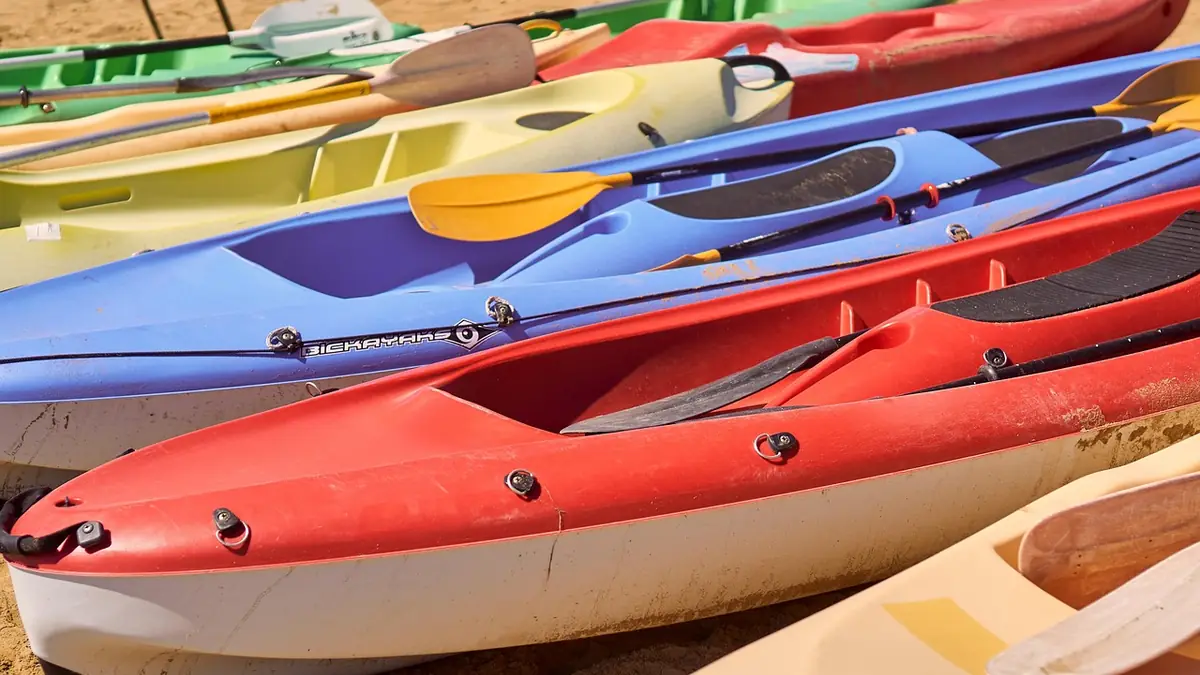
A canoe is one of the simplest boats you can own, which is exactly why the gear list can get out of hand. Strip it back and you need four things to get moving: a hull, a paddle, a PFD, and a way to carry water. Everything else exists to keep you dry, comfortable, or legal on the water you're paddling.
What follows is a working list for flatwater and slow-moving rivers, organized by how soon most paddlers buy each item. Sizing and capacity numbers are given as typical ranges so you can match gear to your boat and body rather than guessing.
Paddles: Buy for Length, Not Looks
Paddle length is set by your torso height and the hull's beam, not by your height alone. A rough starting rule for straight-shaft paddles is 52 to 60 inches for most adults, with shorter paddles for narrow solo boats and longer ones for wide tandems. Sit in the boat at home and check that the grip reaches roughly your eyebrow when the blade is planted.
Blade material drives both price and feel. Aluminum shafts with plastic blades run cheap and survive rock contact, but they flex and feel heavy over a full day. Fiberglass and wood paddles cost more, weigh noticeably less, and are kinder on shoulders during long crossings. Buy one good paddle rather than two cheap ones, and carry a spare for anything beyond a day trip.
- Straight shaft: general paddling and easy stowage
- Bent shaft: efficient cruising, awkward for some braces
- Wood: warm feel, needs oiling and drying
- Plastic blade: best for rocky shallows and rentals
PFDs and Cold-Water Layers
A PFD only counts if you wear it, so fit matters more than features. Look for a snug torso with no ride-up when you pull the shoulders, and check the label for a rating suited to paddling rather than general boating. Front pockets and lash tabs are worth having; bulky fishing-style vests tend to catch on seats and spray decks when you re-enter.
Clothing is the other half of the safety picture. Cotton is a poor choice on the water because it holds water and cools you fast. Synthetic layers, a windproof shell, and neoprene booties cover most three-season paddling. In water below roughly 15°C, add a wetsuit or dry wear, and treat immersion protection as a plan rather than a garment. Our paddling safety checklist covers float plans and cold-water decisions in more depth.
Dry Storage and Packing Systems
Canoes carry weight well, so the temptation is to bring everything. Two or three dry bags in the 20 to 40 liter range handle a day's clothing, food, and electronics, while a 60 to 115 liter portage pack suits multi-day trips. Roll-top bags are more reliable than zip-style ones for anything that must stay dry in a swamped boat.
Tie everything in. A loose bag in a capsize floats away faster than you can swim after it, so run a leash or lash point to the thwart. Keep a small dry bag clipped near your seat with sunscreen, a phone, and a headlamp, and leave the big pack balanced slightly behind the center of the hull so the boat trims level in wind.
- 20-40 L roll-top dry bags for day gear
- 60-115 L portage pack for overnight trips
- Small 5 L bag for phone, keys, and light
- Lash points or leashes for every loose item
Safety and Repair Kit
The kit that saves a trip is small and cheap. A throw bag with 15 to 25 meters of floating line, a bailer or large sponge, and a spare paddle are the core for moving water. Add a basic repair pouch: duct tape, a few meters of cord, zip ties, and a patch kit matched to your hull material. A multi-tool and a small first-aid kit round it out.
Navigation and signaling deserve a place too. A waterproof map case, a compass, and a headlamp with spare batteries cover most day trips; a whistle is required equipment in many jurisdictions and costs almost nothing. Check local rules before you launch, since requirements for signaling devices and registration vary widely by region and boat length.
Transport, Storage, and Hull Care
Getting the canoe to water is where many first-time buyers underestimate cost. Foam blocks and two cam straps will secure a boat on most roof racks for a modest outlay, while a proper cradle or J-rack setup costs more but reduces hull flex on long drives. Straps at the bow and stern are cheap insurance on highways.
Storage decides how long a hull lasts. UV exposure degrades plastic and composite layups over years, so store the canoe under cover or indoors, upside down on padded sawhorses. Avoid resting it on two points at the ends only, which encourages oil-canning in the bottom. If you are still choosing between hull types, our canoe vs kayak comparison breaks down stability and capacity.
| Item | Typical spec | Typical price (USD) | Buy first? |
|---|---|---|---|
| Paddle (fiberglass) | 54-58 in, 750-900 g | 80-180 | Yes |
| PFD, paddling cut | Fits torso, front pockets | 70-160 | Yes |
| Throw bag | 15-25 m floating line | 40-90 | Moving water only |
| Dry bag, roll-top | 20-40 L | 20-50 | Yes |
| Portage pack | 60-115 L | 100-250 | Multi-day trips |
| Roof foam blocks and straps | 2 blocks, 2 cam straps | 30-70 | Yes |
| Repair pouch | Tape, cord, patch kit | 15-40 | Yes |
Budget Priorities for a First Season
Spend first on the paddle and PFD, because those two items determine comfort and safety on every outing. Buy a used hull if the budget is tight, but inspect the bottom for deep gouges and check that thwarts and seats are sound. Dry bags and a throw bag are inexpensive and rarely worth buying used.
Rent before you buy anything specialized. A season of rentals on the water type you actually paddle tells you more than any spec sheet about whether you need a solo or tandem, a flatwater or river hull, and how much capacity your trips really require. Our beginner setup cost breakdown gives a useful baseline for comparing total outlay.
- Buy the paddle and PFD first; they affect every trip.
- Match paddle length to torso and beam, not overall height.
- Tie in every bag and carry a spare paddle on moving water.
- Store the hull covered and upside down to prevent UV damage.
Mark has spent years fishing and paddling across rivers and lakes, testing gear in real conditions. He focuses on practical buying advice for beginners and occasional anglers. His goal is to help readers avoid overspending and choose equipment that fits their actual use.